Eric Freeman

Eric Freeman is a computer scientist, author, and educator working across media, artificial intelligence, and creative technology.

He holds a Ph.D. in Computer Science from Yale University and teaches creative coding and AI at The University of Texas at Austin. A former CTO of Disney Online, he spent a decade building digital experiences across Disney’s media and entertainment businesses.

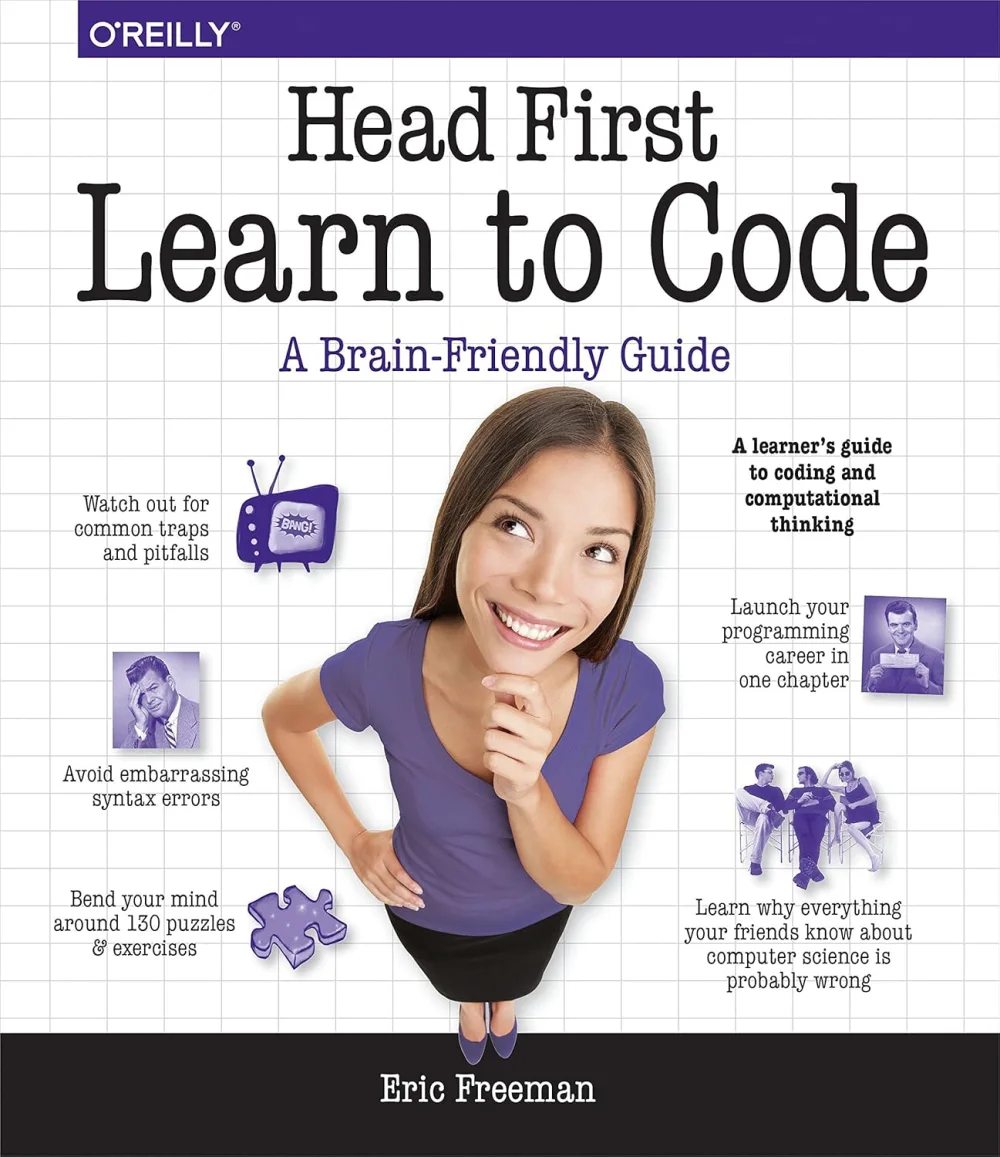
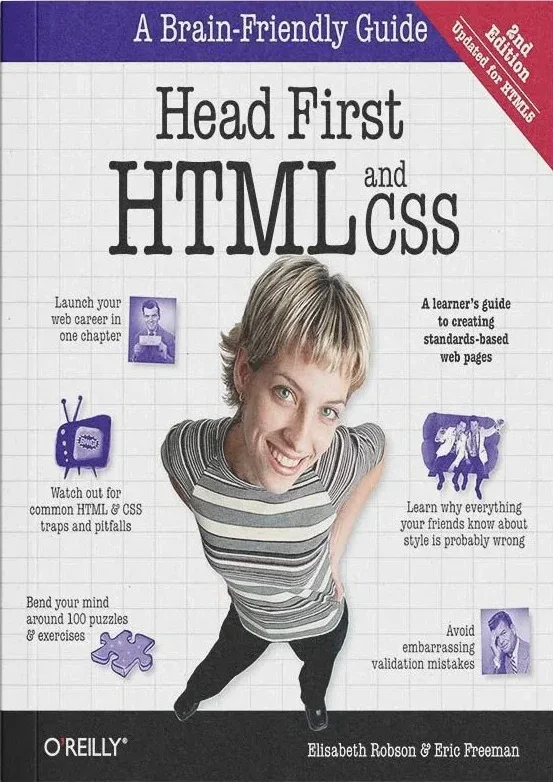
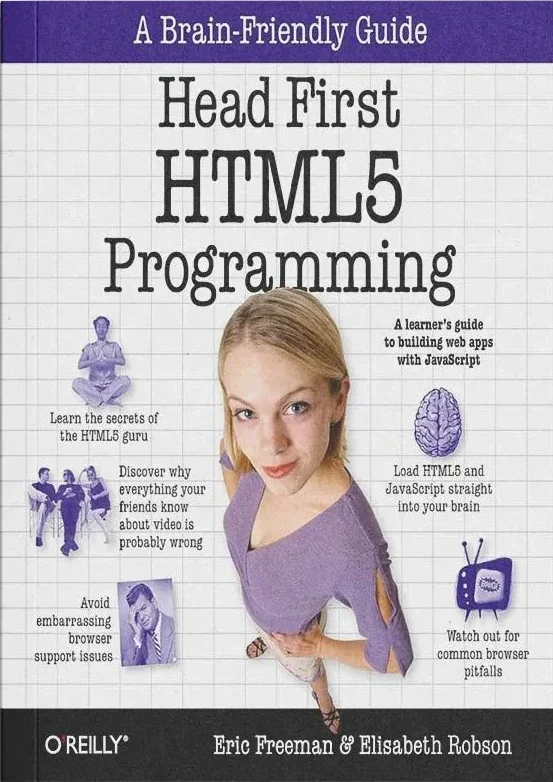
As co-founder of WickedlySmart and coauthor of eight books, he helps professionals and students understand and apply computing while exploring code as an artistic medium.

Portrait of Eric Freeman, half his face lit in blue against a dark background.

Roles

  • The University of Texas at Austin, on faculty
  • WickedlySmart, co-founder
  • O’Reilly Media, author and Head First series adviser
  • LinkedIn Learning, trainer
  • The Walt Disney Company, CTO of Disney Online

Recognition

  • MIT Technology Review Innovators Under 35
  • NASA Graduate Research Fellow
  • Two-time Disney Innovator Award winner
  • Dr. Dobb’s Jolt Award
  • Inventor on 16 U.S. patents

Education

  • Ph.D., Computer Science, Yale University, 1997
  • M.Phil. and M.S., Computer Science, Yale University, 1994
  • M.S., Computer Science, Indiana University, 1991
  • B.S., Computer Science, University of Kentucky, 1988
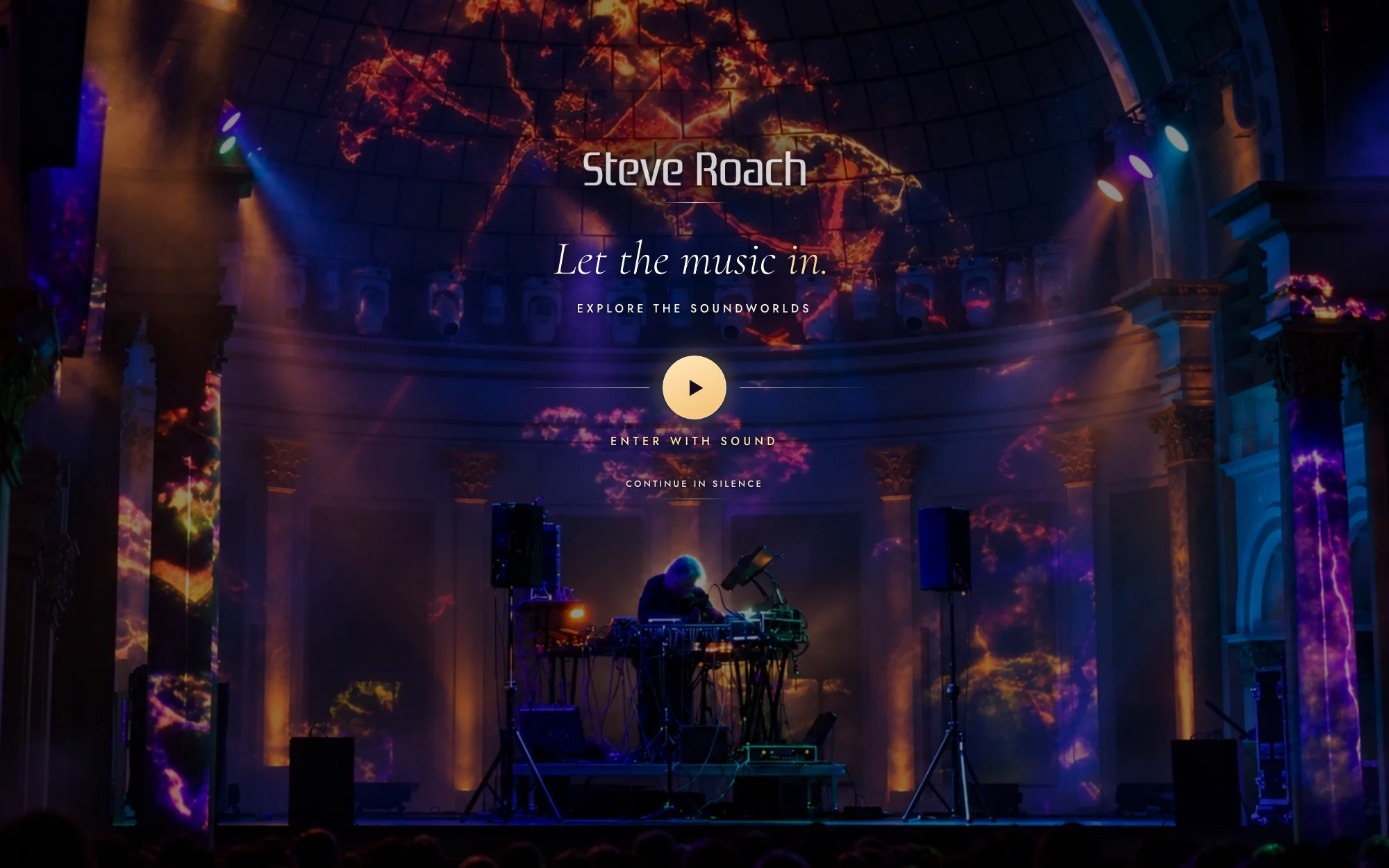
The opening screen of the Steve Roach website: his name and the line “Let the music in” over a concert stage, with a button to enter with sound or continue in silence.

Steve Roach, 2× Grammy-nominated artist

Site design, 2026

A rebuilt website that brings Steve Roach’s immersive ambient aesthetic to the web and showcases his 150+ releases over the last 40+ years. It is part of a nearly 20-year collaboration on digital experiences, starting with Immersion Station, one of the first generative iPhone apps in the App Store.
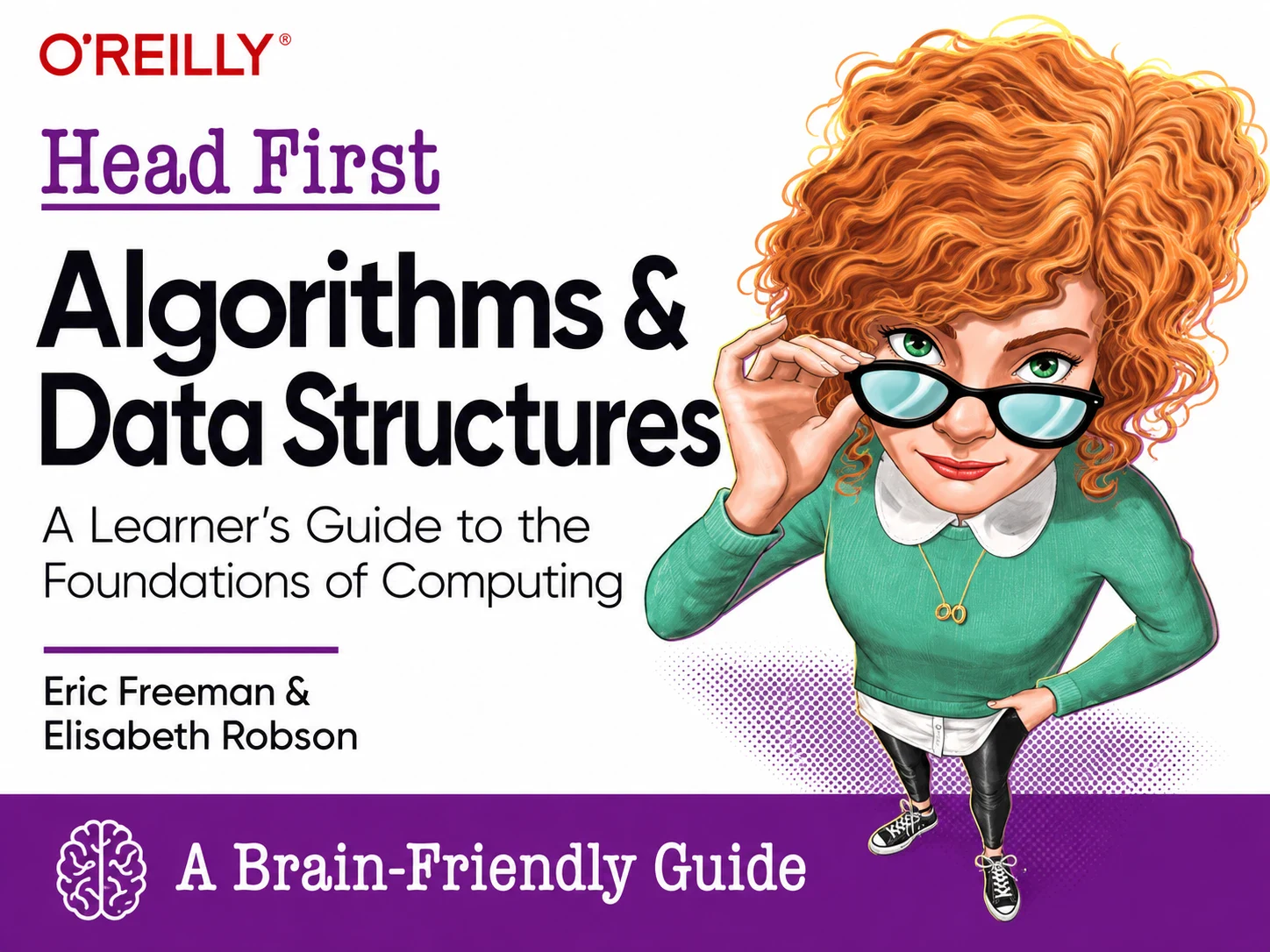

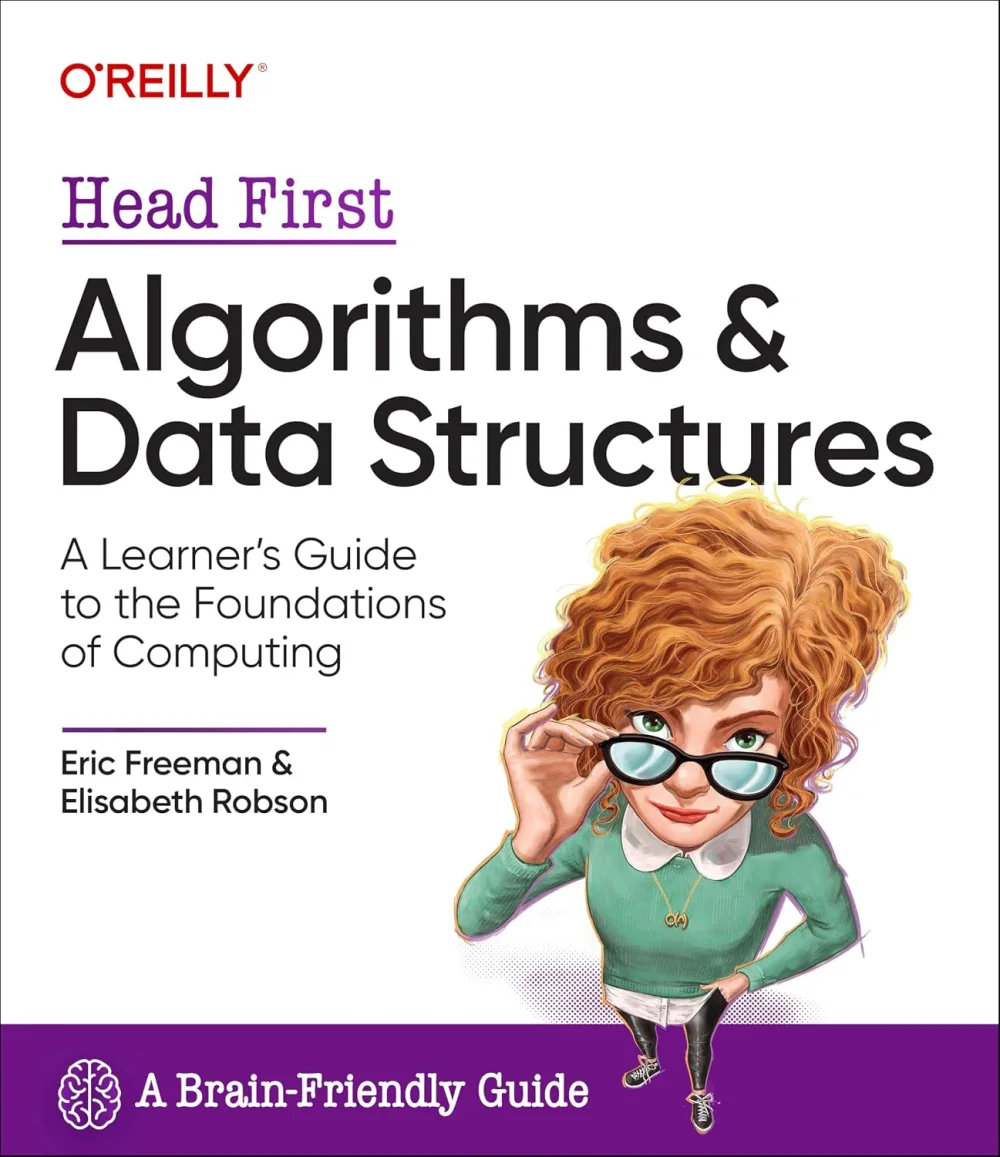
Wide cover art for Head First Algorithms and Data Structures.

Head First Algorithms and Data Structures
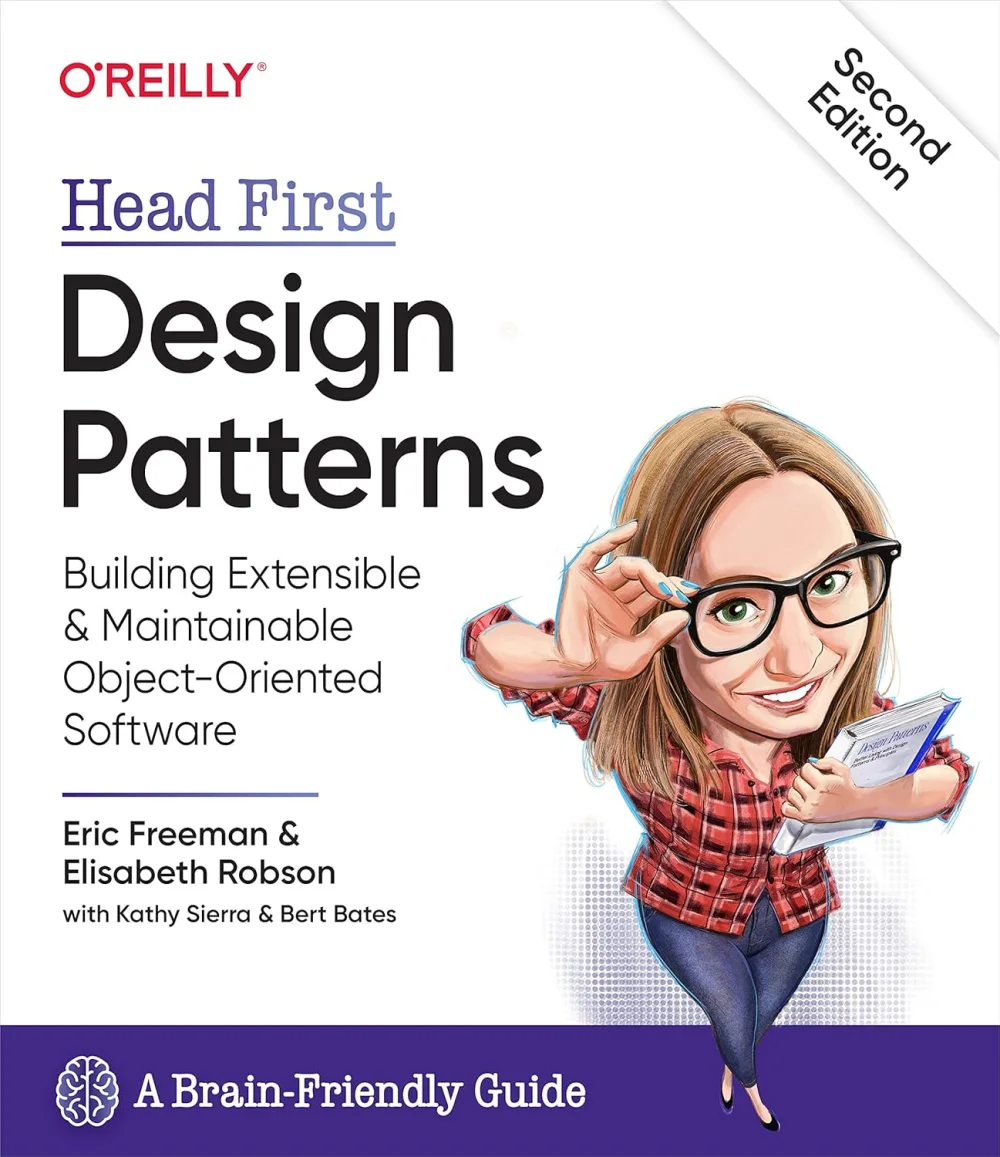
Oct 2026

A Learner’s Guide to the Foundations of Computing, with Elisabeth Robson. Games, puzzles, and challenges that build real algorithmic thinking, which is becoming increasingly important in an age of AI, where understanding runtime characteristics matters more than understanding the code.

Teaching with AI in the Disciplines

Selected faculty, UT Austin, Oct 2026

A UT Libraries faculty working group. Selected to design and test a discipline-specific AI teaching project and publish it as an open educational resource.

WickedlySmart Agent

Oct 2026

An agent system for agent-first web pages, where the website speaks and the agent guides. A floating character appears in the corner of the page. It has read the whole site, answers from what the site says, and takes visitors to the place that shows them more.

Now in testing on client sites. Patent pending.

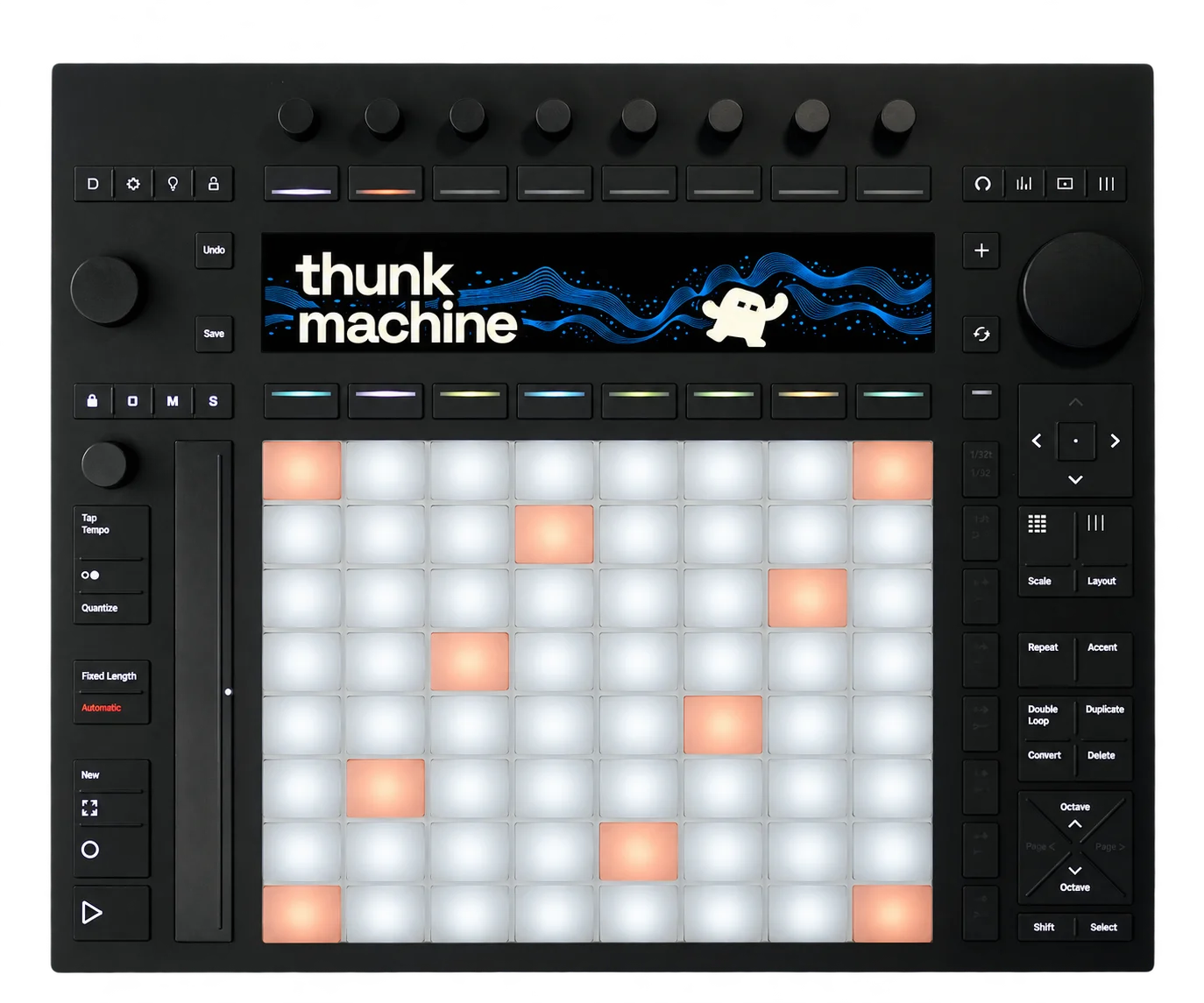
Mockup of the Thunk Machine controls on the display of an Ableton Push 3.

Ableton Push 3 for Thunk Machine

Oct 2026

A physical surface for Thunk Machine. Ableton Push 3 pads launch scenes and clips, encoders shape visual controls, and the optional Ableton Link helper keeps visuals on the beat. It also offers preview support.

Display mockup, from thunkmachine.com.

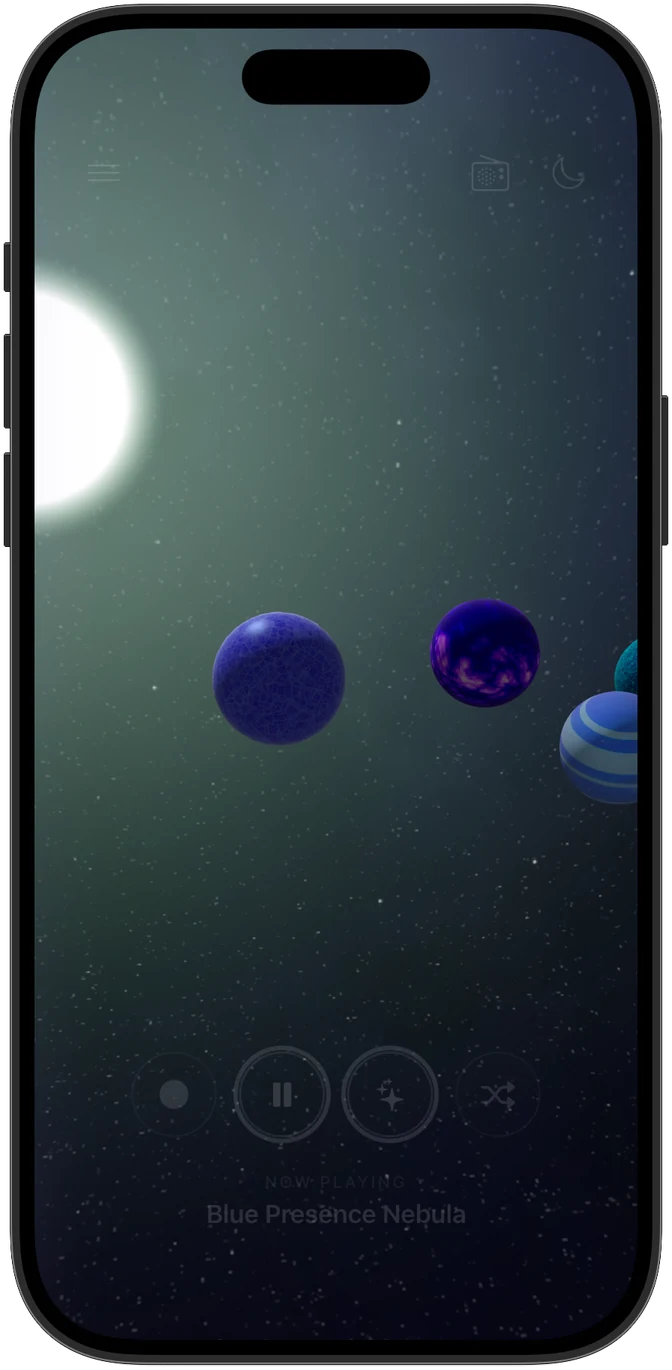
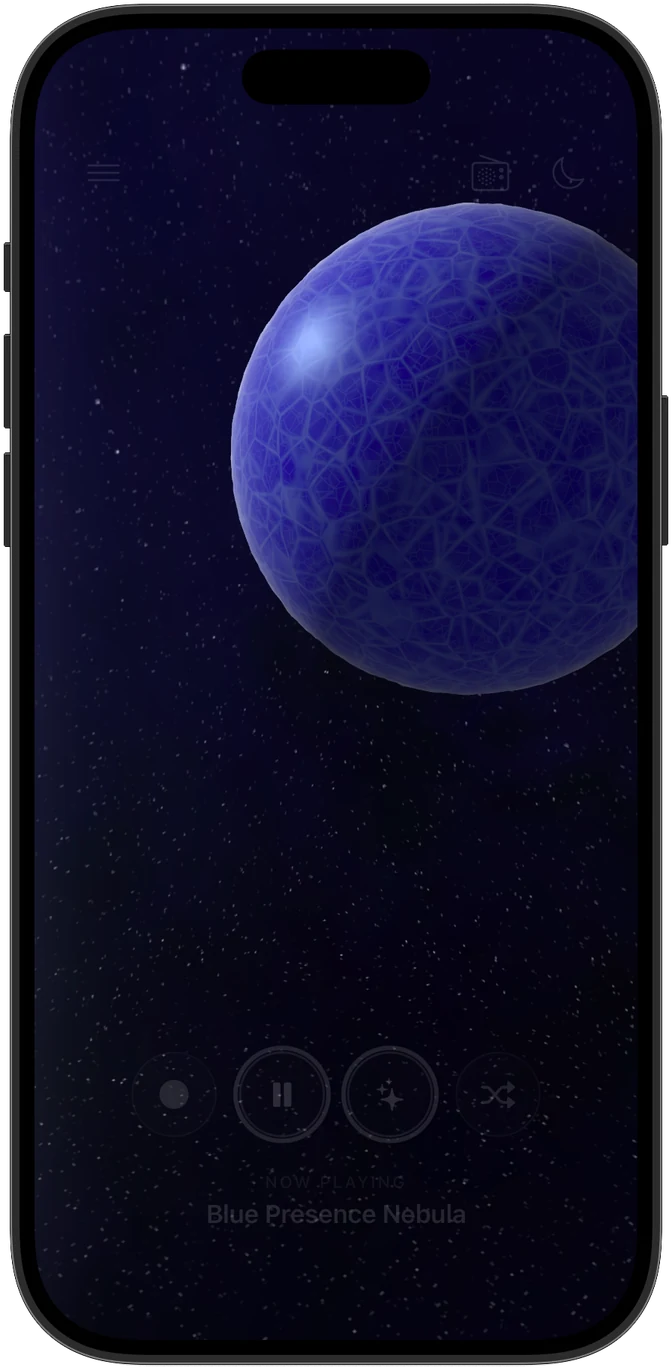
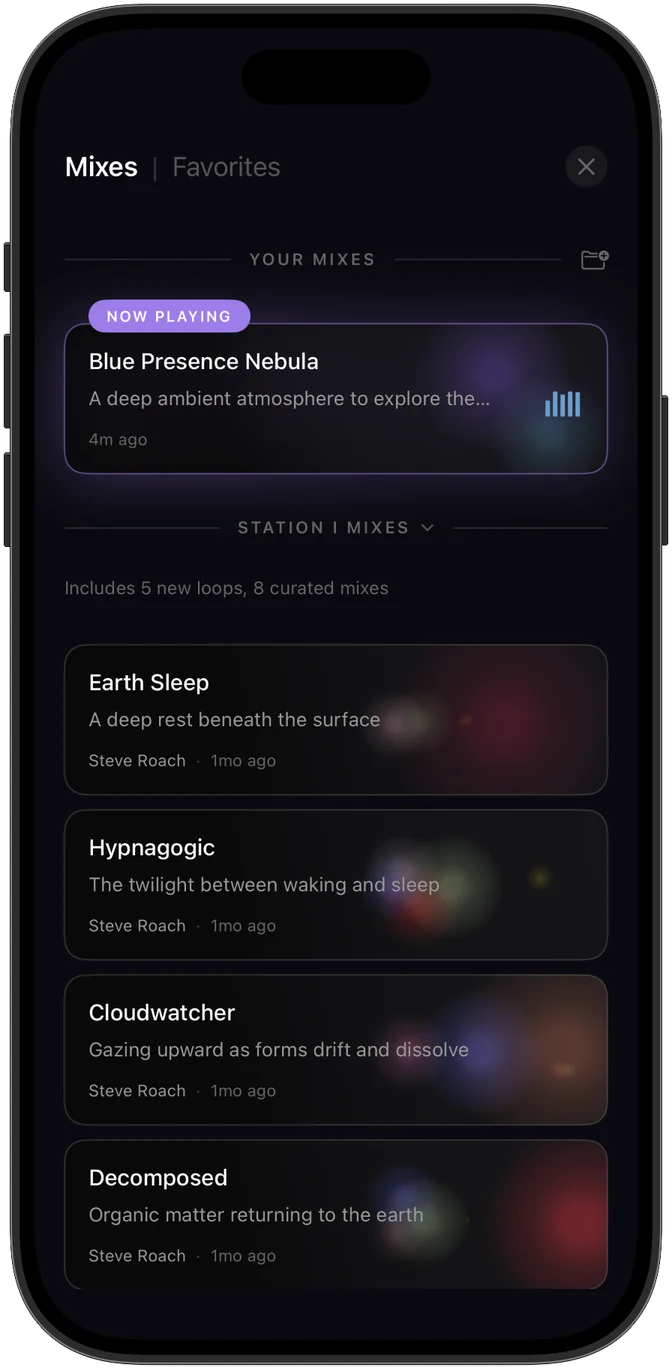
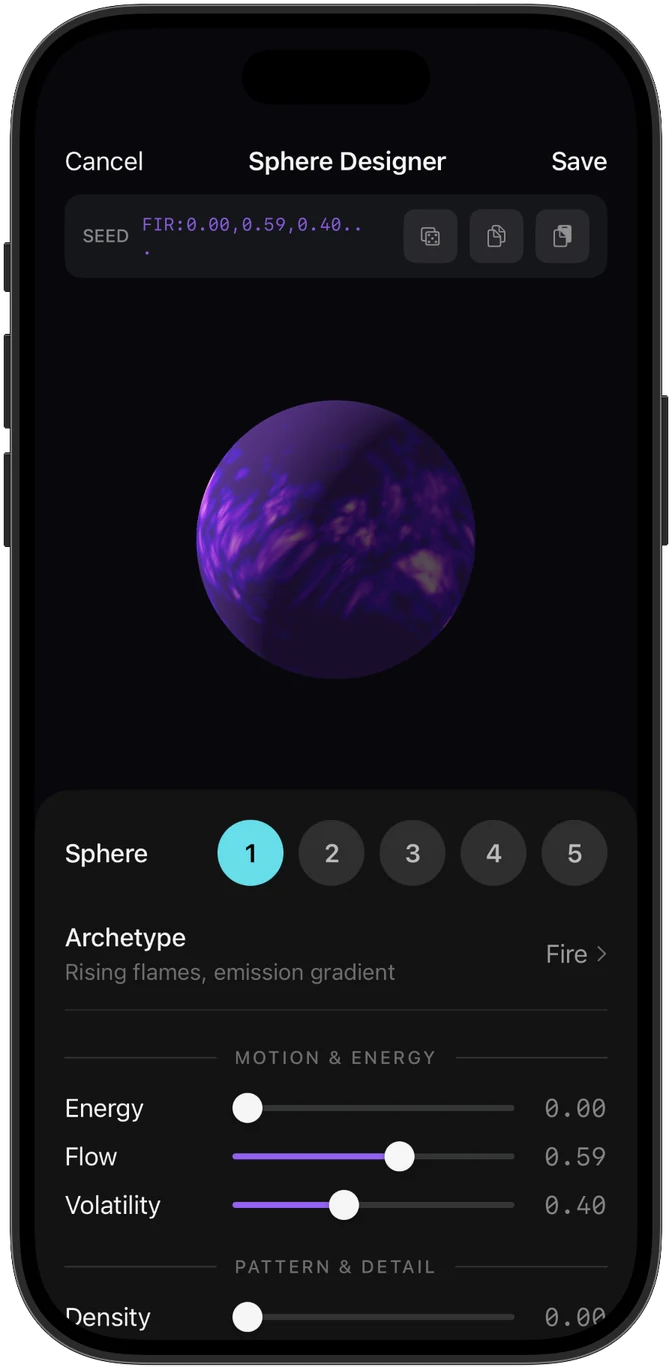
Immersion Station 2.0: glass spheres drifting past a bright sun in a field of stars. Immersion Station 2.0: a large blue sphere filling the screen, now playing Blue Presence Nebula. Immersion Station 2.0: the Mixes screen, listing Earth Sleep, Hypnagogic, Cloudwatcher, and Decomposed. Immersion Station 2.0: the Sphere Designer, with controls for energy, flow, and volatility.

Immersion Station 2.0

In development

A rebuild of the ambient music app created with Steve Roach. The original has been running for over fifteen years; 2.0 carries that legacy forward.

The Thunk Machine character, a dark rounded figure with two square eyes, conducting waves of fine lines.

Thunk Machine

Sept 2026

A visual synth, mixer, and performance instrument built on JavaScript and p5.js. Write JavaScript, shape sound into visuals, and change it all live: scenes change while the canvas, sound, and clock keep running.

It grew out of Audio Pixel Collider and AET 350C at UT Austin.

YOU MUST DESTROY 19  KLINGONS IN 30  STARDATES WITH 5  STARBASES
---------------------------------

                      *                 STARDATE         2900
                                        CONDITION        GREEN
                                        QUADRANT         4,2
 <*>                  *                 SECTOR           5,1
                                        ENERGY           3000
                                        PHOTON TORPEDOES 10
                                        SHIELDS             0
---------------------------------
COMMAND:? 1
---------------------------------

                      *                 STARDATE         2900
                                        CONDITION        GREEN
                                        QUADRANT         4,2
 <*>                  *                 SECTOR           5,1
                                        ENERGY           3000
                                        PHOTON TORPEDOES 10
                                        SHIELDS             0
---------------------------------
COMMAND:? 2
LONG RANGE SENSOR SCAN FOR QUADRANT4,2
-----------------
:   8 :  7 :  4 :
-----------------
:   3 :  2 :107 :
-----------------
:   4 :  3 :  6 :
-----------------
COMMAND:?

The Star Trek Ports

Sept 2026

Bringing the lineage of Star Trek BASIC games back to life. 34 versions, oldest first: 26 run in your browser, 5 are read-only listings, and 3 are known but lost.

Star Trek is the intellectual property of Paramount; not affiliated with or endorsed by Paramount.

Vestaboard Skill

Sept 2026

An agent skill that lets Claude Code, Codex, or any skill-aware AI agent put messages on a Vestaboard split-flap display and read what it currently shows. It talks to the board directly over the Local API on your home network, so nothing goes through the cloud.

Ask your agent things like “Put DINNER AT 6 on the board” or “What’s on the board right now?”

Illustration, not a photo of the board.

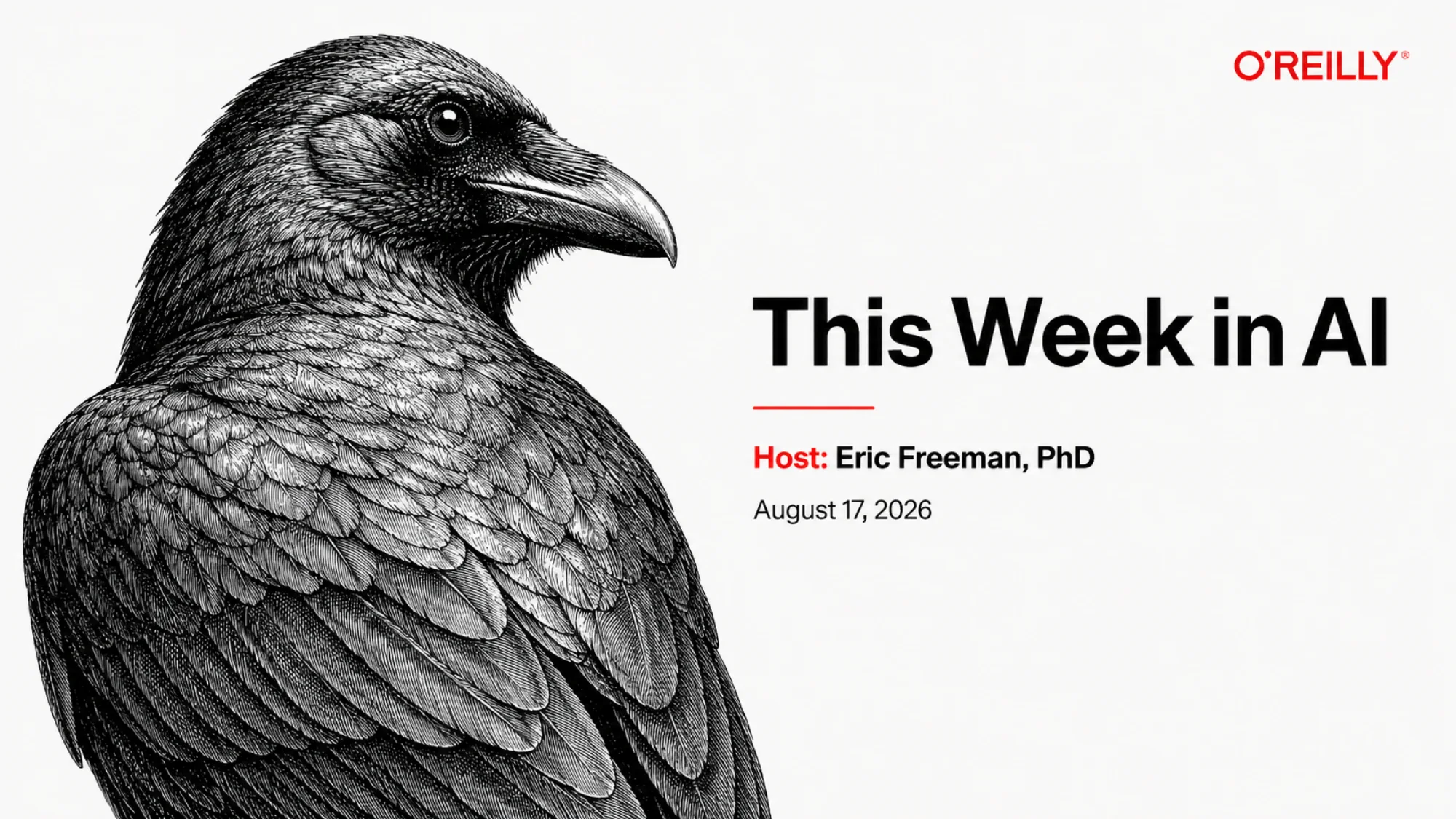
Title slide for This Week in AI: an engraved raven beside the show title, host Eric Freeman, PhD, August 17, 2026.

On air

August 2026

This Week in AI: about thirty hard minutes for O’Reilly that cut through model releases, infrastructure shifts, agent demos, and the security stories that appear when software starts collaborating with itself. Less a highlight reel than a briefing.

GenAI Superstream: host and moderator of O’Reilly’s Agentic AI for Finance, exploring agent design, secure RAG, provenance, and human oversight. August 27, 2026.

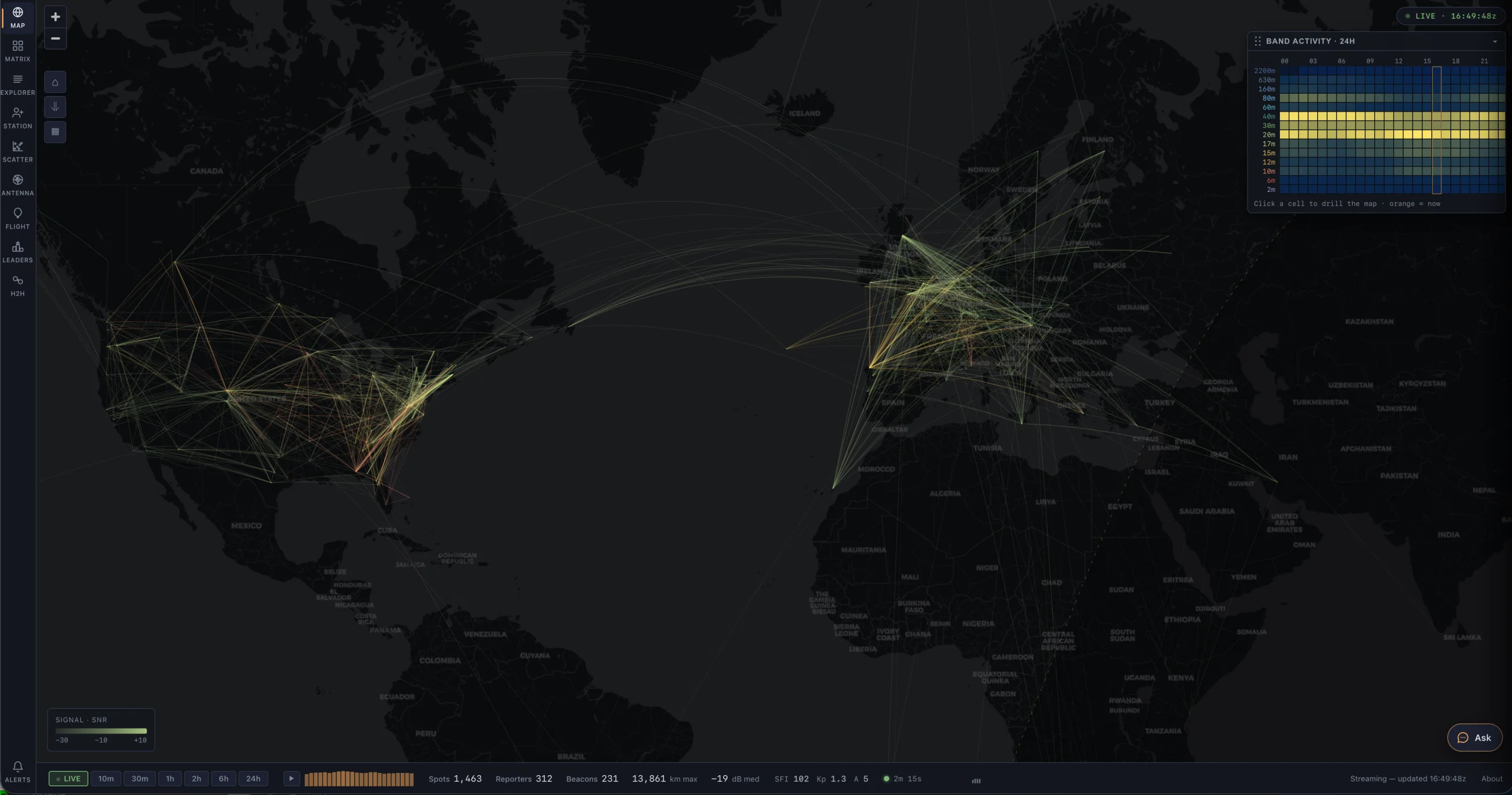
A dark world map traced with thin lines, each a low-power radio signal between stations.

WSPR Dashboard

Prototype, open source soon
Summer 2026

Eric holds an Extra-class amateur radio license and is on the air as WD2Z. He used it to create this low-power propagation monitor: eleven views into radio propagation, with statistical honesty about where coverage ends and silence begins.

WSPR, the protocol created by Nobel Prize-winning physicist Joe Taylor, K1JT, can carry a signal of a fraction of a watt around the world. The monitor is built on the WSPRnet database of those reception reports, through wspr.live.

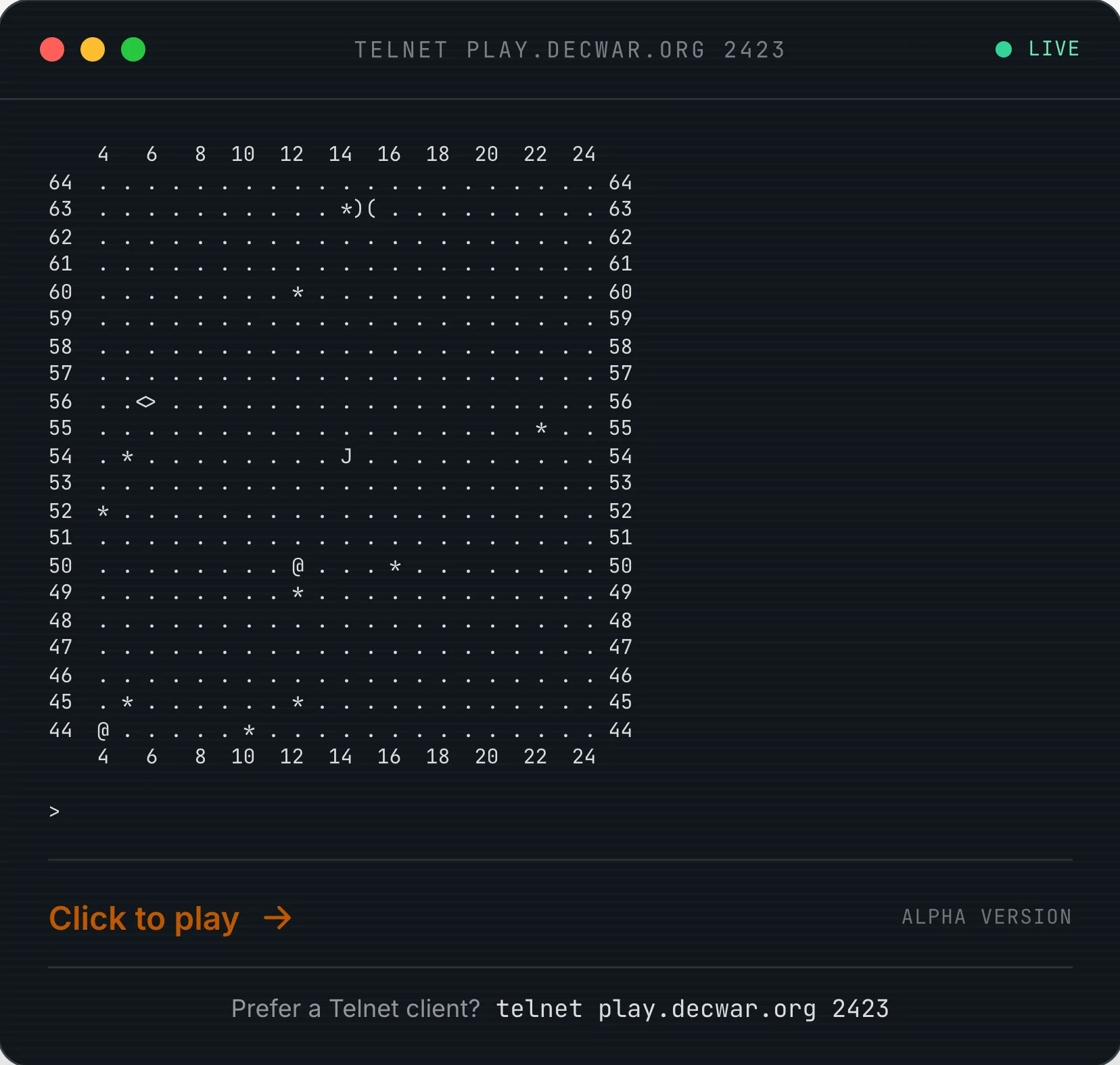
The DECWAR tactical galaxy map in a terminal window at decwar.org.

DECWAR

2024–2026

Computer archaeology, and a two-year experiment in AI reconstruction: rebuilding the 1978 UT Austin multiplayer game from its original FORTRAN and MACRO-10 assembler. More at decwar.org.

GridWars

AET 310 student competition, April 2026

A student competition from AET 310: Creative Coding at UT Austin. Students program bots that claim territory on a shared grid, then send them against each other in heats.

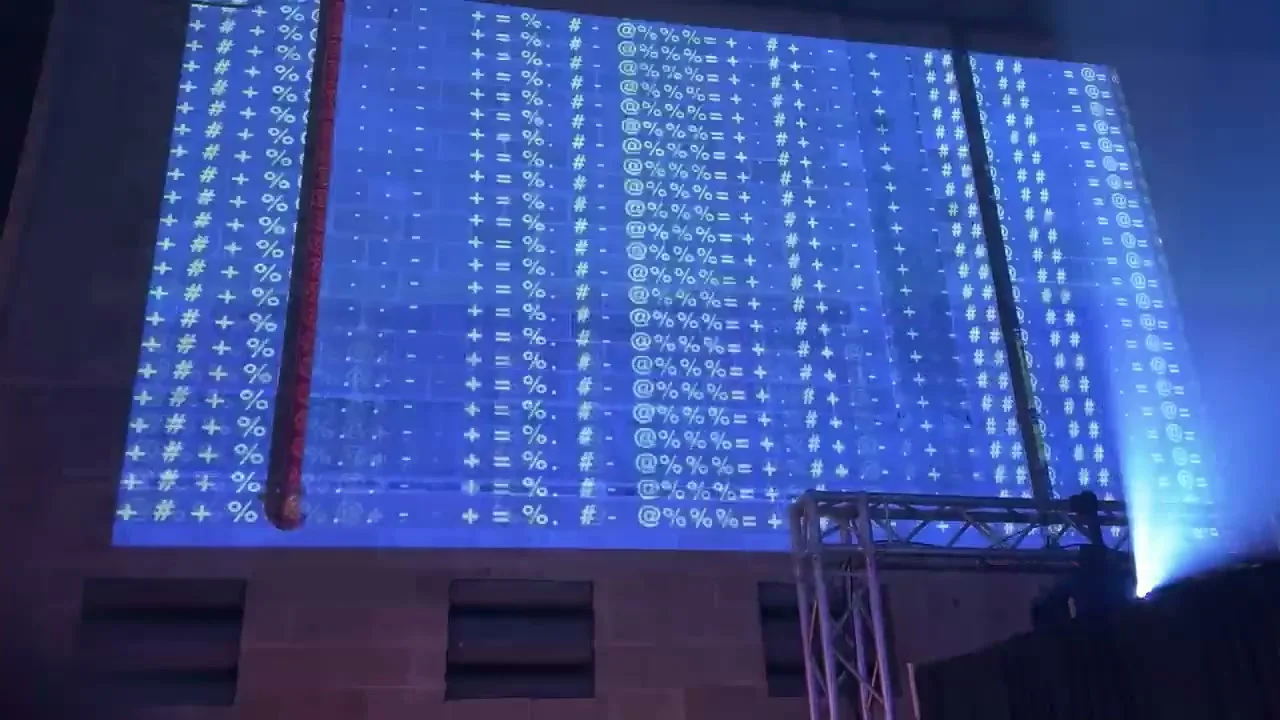
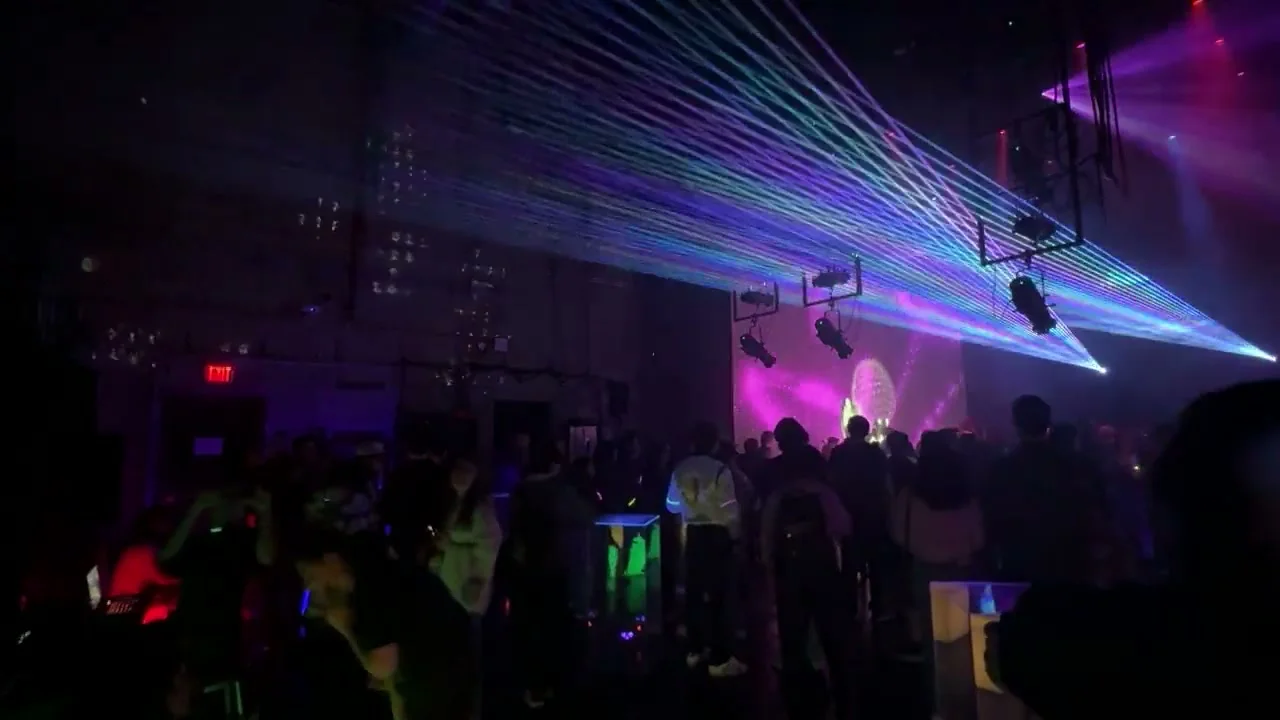
Rows of code characters projected at building scale. Laser beams fanning over a dark crowd.

Audio Pixel Collider

2024, 2025

Video stills. Photography: Katherine Freeman

An immersive evening of live music, visuals, and lighting created by AET students at the B. Iden Payne Theatre. Eric’s AET 350C Advanced Creative Coding students build toward it, with live projected visuals at building scale.

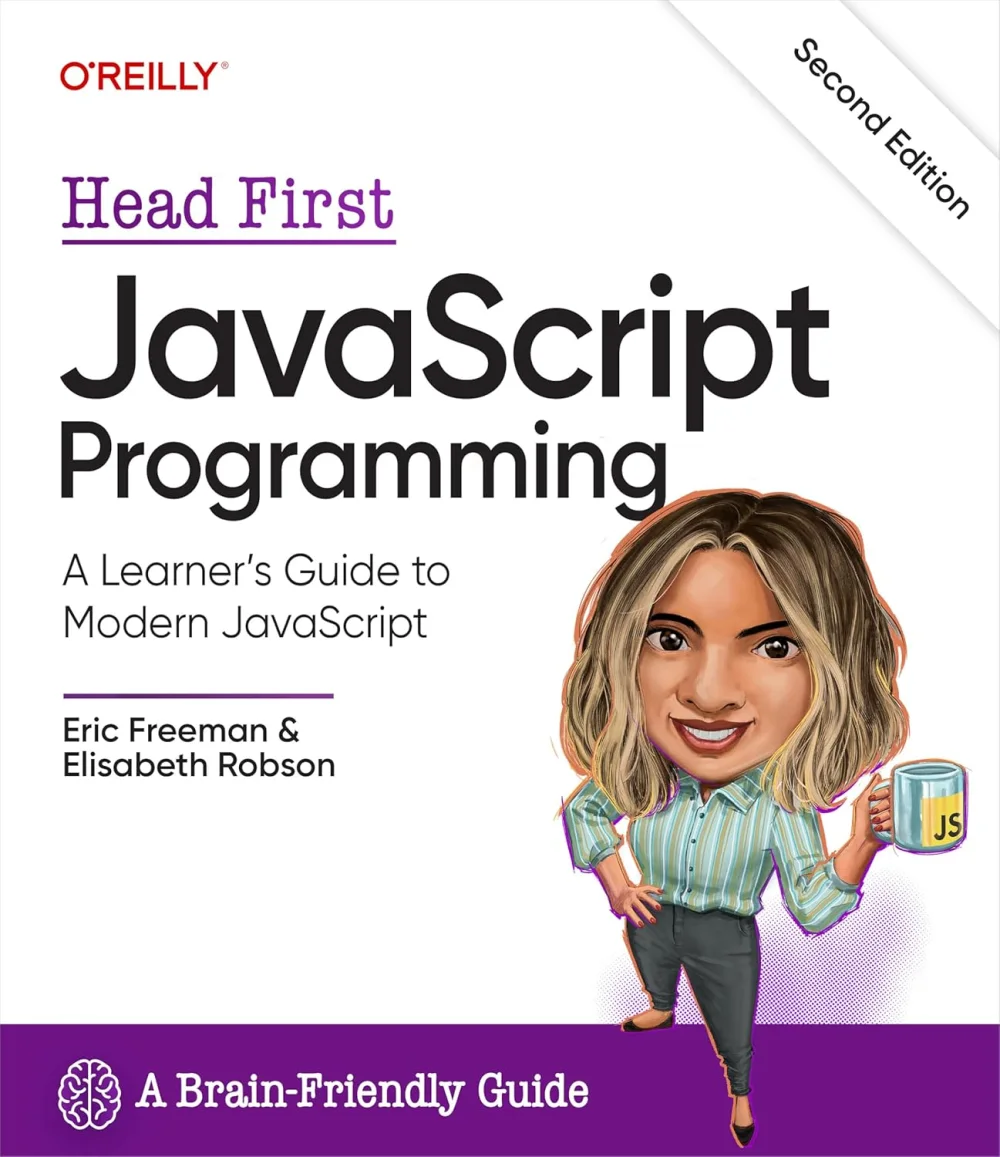
Cover of Head First JavaScript Programming, 2nd edition.

Head First JavaScript Programming

New edition, 2024

A Learner’s Guide to Modern JavaScript, with Elisabeth Robson. From language fundamentals to objects, functions, and the DOM, through games, puzzles, and real code.

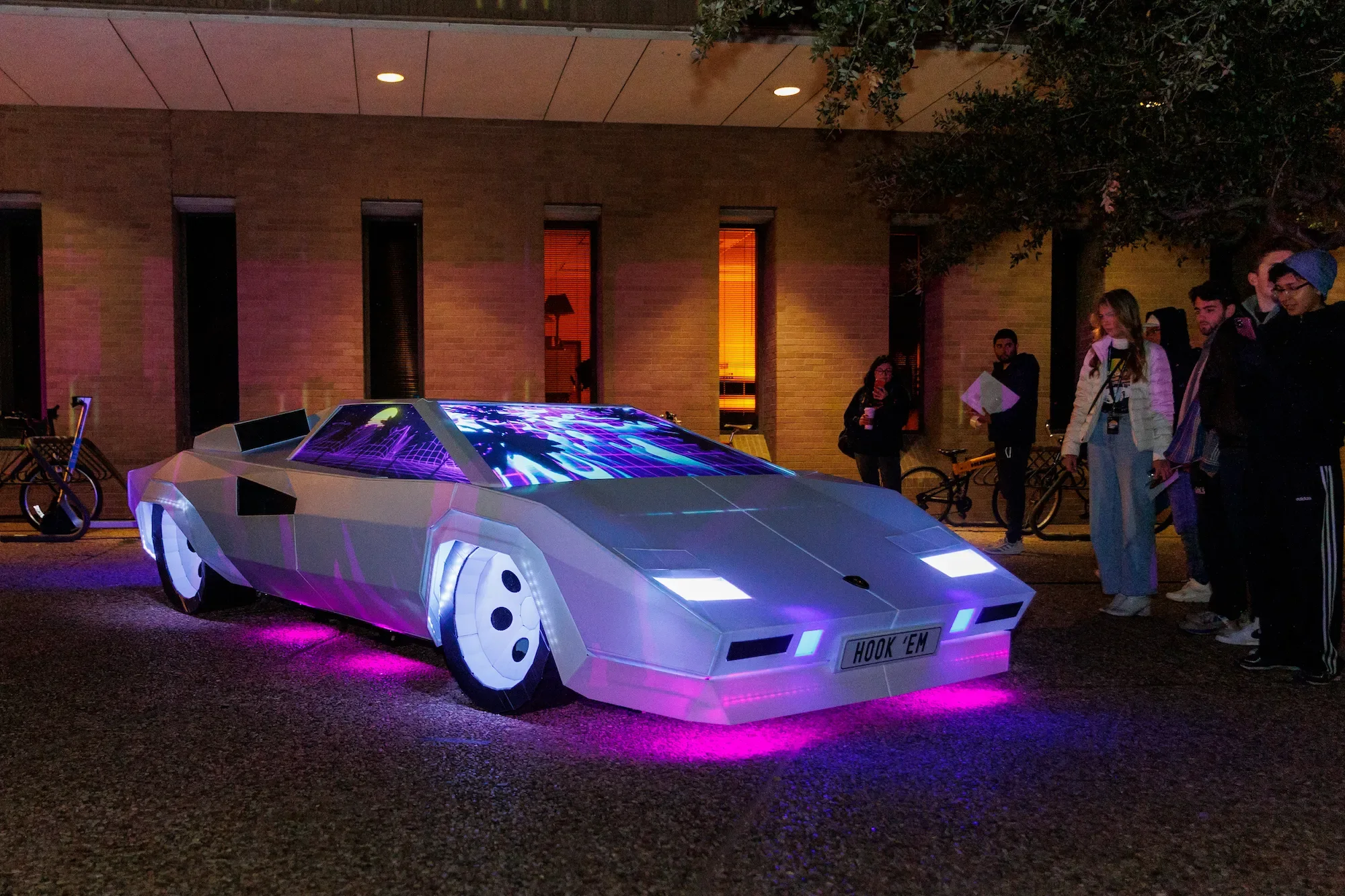
A life-size Countach built from corrugated plastic, lit from within and glowing underneath, with students looking on at night.

The Countach

Concept Designer, 2022

Photo: Thomas Meredith

A life-size Countach, reimagined as a canvas for code, light, and sound. Built from corrugated plastic, the installation brings projection mapping, interactive screens, creative coding, sound design, and 3D visualization into one full-scale experiment.

Conceived by Eric Freeman for UT Austin’s Department of Arts and Entertainment Technologies, with Kyle Evans and Matt Smith on physical systems and projection with dadaLab, and J.E. Johnson on fabrication with Texas Performing Arts Fabrication Studios.

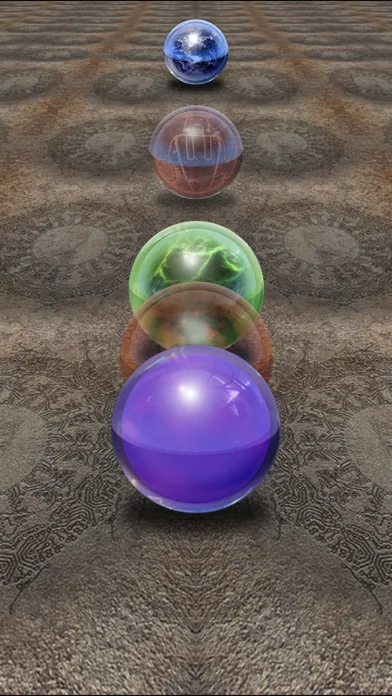
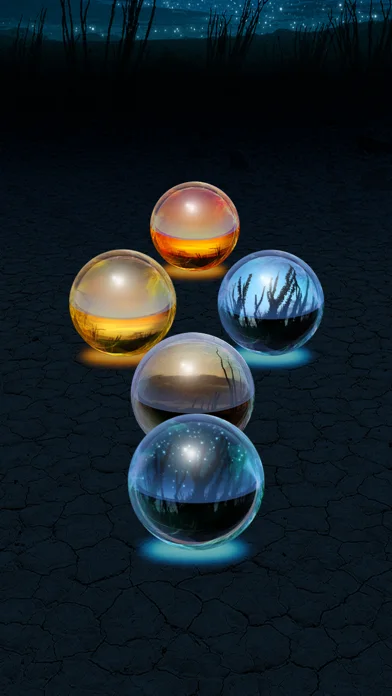
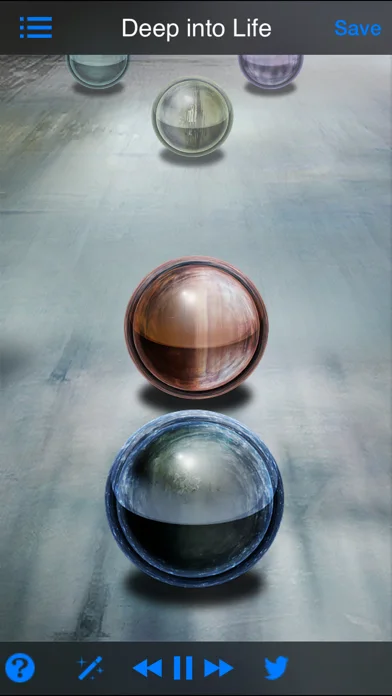
Immersion Station I: glass orbs on a textured ground. Immersion Station II screen with soundworld orbs. Immersion Station III: five glass orbs on dark cracked earth. Immersion Station IV screen with soundworld orbs.

Immersion Station

2010–2015, reissued 2022

Created with Steve Roach. You mix soundworld loops of different lengths, shown as orbs, for endless evolving playback. All four editions were reborn in 2022 as free downloads.

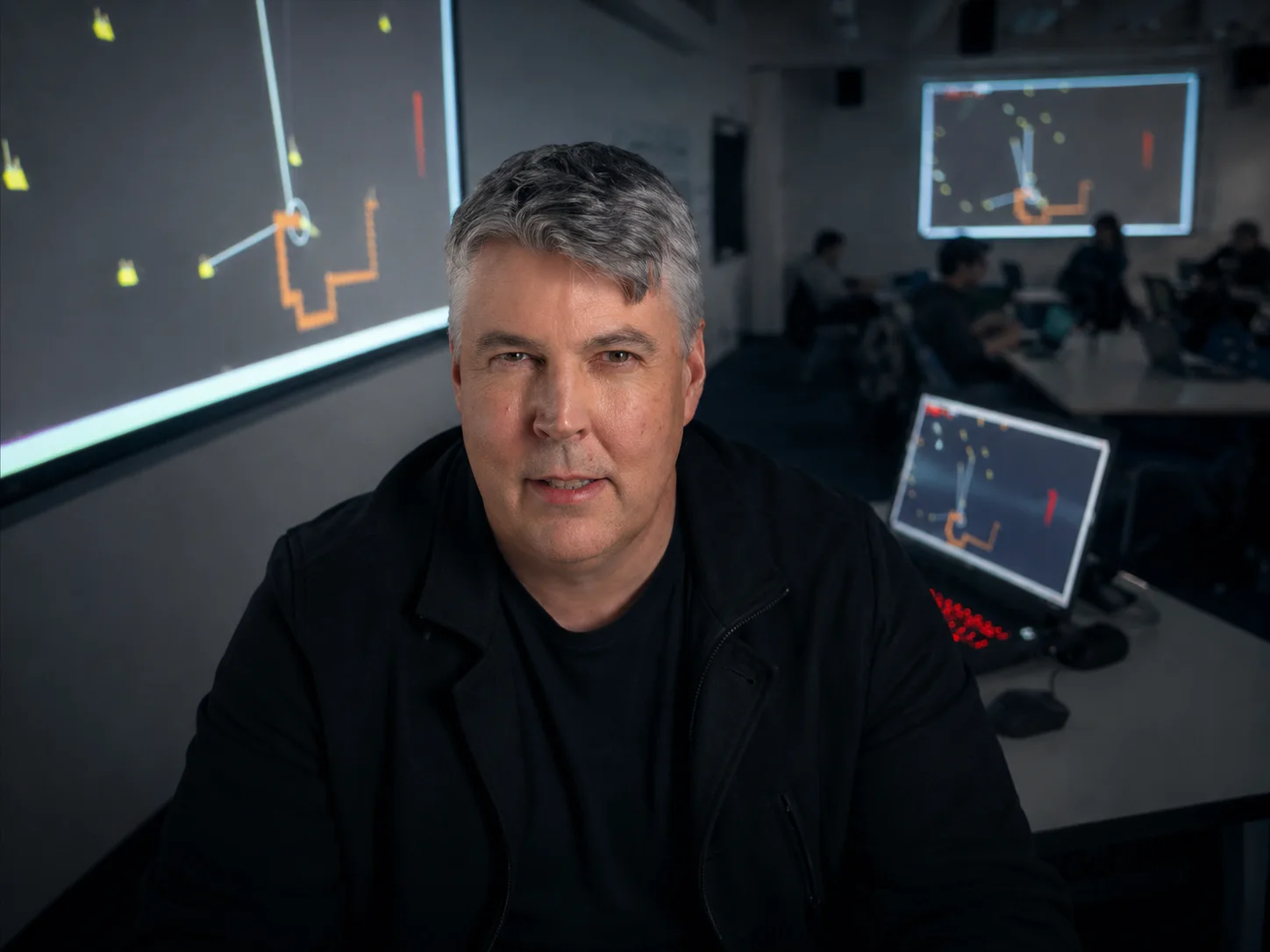
Eric Freeman in a classroom, with student code projected on the screens behind him.

Teaching

Eric teaches creative coding and AI in the Department of Arts and Entertainment Technologies at The University of Texas at Austin. The classroom is a laboratory: learning happens by making things, testing ideas, and asking better questions.

Books